Introduction.
As we age, keeping our hearts healthy becomes more important than ever. Cholesterol a waxy substance found in your blood plays a big role in heart health. While your body needs cholesterol to build cells and produce hormones, having too much of the “bad” type can quietly damage your arteries over time. In this post, we’ll walk through how to recognize high cholesterol in seniors, what complications to watch for, and simple steps you can take to keep your levels in check.
Signs & Symptoms
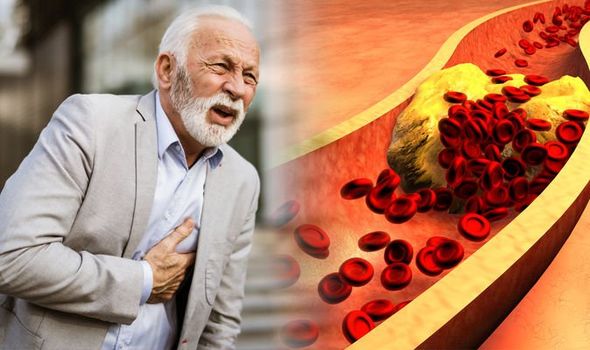
High cholesterol itself usually doesn’t cause noticeable symptoms. That’s why it’s often called a “silent” condition. However, some warning signs can show up if cholesterol has already begun to affect your blood vessels:
Chest discomfort or pain (angina): A pressing or squeezing feeling, especially during activity or stress.
Shortness of breath: Feeling winded after mild exertion, like climbing stairs.
Pain or cramping in legs (claudication): A sign of poor circulation when cholesterol plaques narrow arteries to your limbs.
Xanthomas: Small, yellowish skin bumps around the eyes or joints, caused by cholesterol deposits.
If you notice any of these, it’s a good idea to talk with your doctor and ask for a simple blood test (a lipid panel) to check your cholesterol levels.
Complications
Untreated high cholesterol can lead to serious health problems, including:
1. Atherosclerosis: Plaques form and harden inside your arteries, making them stiff and narrow.
2. Coronary artery disease: Reduced blood flow to the heart can cause chest pain, heart attacks, and heart failure.
3. Stroke: Blocked arteries in the brain can trigger an ischemic stroke, leading to weakness, speech problems, or vision loss.
4. Peripheral artery disease: Poor circulation to the legs and feet can cause pain, slow wound healing, and increase the risk of infection.
5. Kidney damage: Narrowed arteries can impair kidney function over time.
Early detection and management are key to preventing these complications.
Intervention
If your cholesterol levels are high, here’s what you can do right away:
1. Lifestyle Changes
o Get moving: Aim for 30 minutes of moderate activity (walking, swimming, cycling) on most days.
o Eat heart-smart foods: Swap out butter for olive oil, choose lean meats or fish, and fill half your plate with vegetables and whole grains.
o Quit smoking: Stopping smoking helps improve your “good” cholesterol (HDL) and strengthens your blood vessels.
o Limit alcohol: Stick to one drink a day for women or two for men to avoid raising triglyceride levels.
2. Medications
o Statins: These are the most common drugs to lower “bad” LDL cholesterol and reduce heart risk.
o Ezetimibe or other add-ons: If statins alone aren’t enough, your doctor may prescribe medications that block cholesterol absorption.
o PCSK9 inhibitors: Injectable treatments for those with very high genetic cholesterol or who can’t tolerate other drugs.
3. Regular Monitoring
o Have your cholesterol checked every 6–12 months.
o Report any side effects like muscle aches or fatigue to your healthcare provider right away.
Recommendations
Schedule a lipid panel: If you haven’t had one in the past year, book a simple blood test to know your numbers.
Set small goals: Pick one change like walking 10 minutes more each day or swapping soda for water and build from there.
Enlist support: Share your goals with friends or family, or join a heart-health class at your community center.
Stay informed: Ask your doctor or pharmacist to explain what each number means and how your treatment plan works.
Keep a journal: Track your meals, activity, and any symptoms this helps you and your healthcare team see progress and make adjustments.
0 Comments